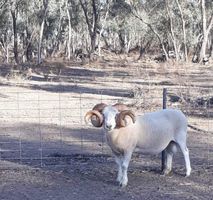
Our Story
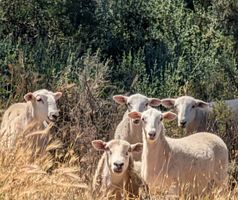
Why Our Wiltshire Sheep Suit Our Country
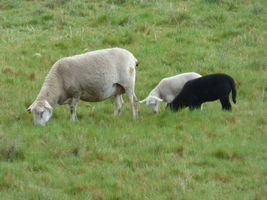
Gentle Handling - Tender Meat
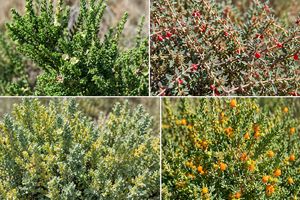
The Saltbush That Makes Our Country Special
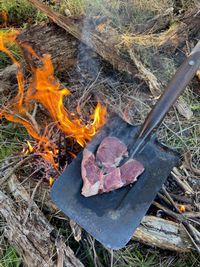
What Makes Our Lamb So Delicious?
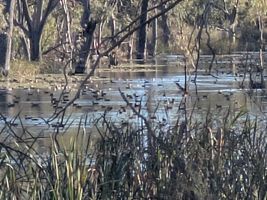
How customers can help keep the glyphosate sprayer off our saltbush
When customers purchase Saltbush Billy lamb, hogget or mutton, they help us preserve the natural capital values of our land. Conserving our stands of native saltbush and natural grasses, and regenerating former cropping land, is only possible if customers support our way of farming. By preserving these native plants, we also preserve habitat for thousands of birds, animals, reptiles and other species that share this country with our sheep.
If our land were not used for raising sheep, much of it would likely be used for large-scale cropping, possibly combined with fat lamb production supported by irrigated fodder.
Modern cropping programs — including so-called “zero-till” and “minimum-till” systems — can rely heavily on herbicides to ensure that, in effect, the only things that grow are those planted by the farmer. Glyphosate is sometimes even used as a desiccant to help cereal crops ripen uniformly.
Our way of farming is not necessarily the most profitable in terms of annual cash flow. We believe it becomes much more valuable when natural capital is included in the equation.
We place a high value on the reptiles, native mammals, abundant birdlife, - including waterfowl , emus, peregrine falcons, bronzewing pigeons, and black faced cuckoo shrikes - and, of course, our many varieties of saltbush that thrive on land that never sees a glyphosate sprayer or plough.
What customers choose to buy and eat has an influence far beyond the dinner table. Every food purchase helps determine which farming systems are economically rewarded — and, ultimately, how our agricultural land is managed.
But here's the thing: none of that counts for much if we don't have customers prepared to support us. We never forget that it is our customers who ultimately determine whether we can continue farming this way.